Screaming crowds at airports, overnight queues outside arenas, thousands of lookalikes packing a park: fans have always loved stars with startling intensity. Celebrity crush psychology helps explain why. Researchers have studied this pull for 70 years, and the findings are reassuring. Crushes are common, they cut across gender and age, and for most people they are a normal, even healthy, part of life. Here is what science says about why we fall for famous faces, the fan moments that made history, and the point where admiration stops being fun.
Celebrity Crush Psychology: The Science of a One-Sided Bond
Parasocial Relationships, a 1956 Idea That Went Viral
In 1956, sociologists Donald Horton and R. Richard Wohl described how radio, film and television “give the illusion of face-to-face relationship with the performer.” They called it para-social interaction and noted that it is “one-sided, nondialectical, controlled by the performer.” In other words, you feel you know the star, but the star does not know you.
The idea has never been more relevant. Cambridge Dictionary named “parasocial” its Word of the Year for 2025, and the BBC noted how fans feel personally invested in famous lives, from podcast hosts to Taylor Swift’s engagement to Travis Kelce.
Crushes Are a Normal Part of Growing Up
Teen crushes on stars are often a rehearsal for real relationships. In a study in Media Psychology titled “From the Beatles to One Direction”, Sarah Erickson and Sonya Dal Cin describe romantic parasocial attachments as “a common aspect of adolescent development.” Erickson’s related University of Michigan dissertation cites earlier research finding that 90% of college students had been attracted to a celebrity.
Dopamine and the Illusion of Intimacy
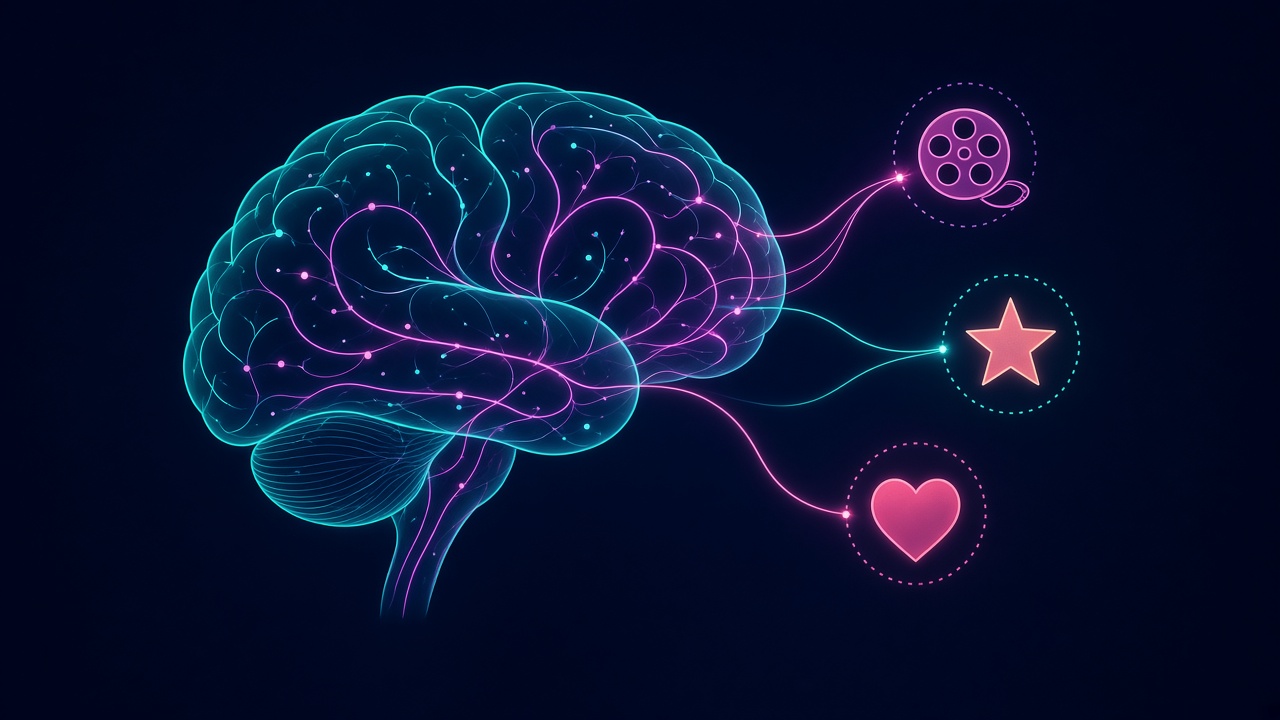
Why does a new photo or trailer feel so good? Psychologist Susan Albers of the Cleveland Clinic says celebrity news can deliver “a hit of dopamine”, and that social media deepens an “illusion of intimacy” because stars now share their kitchens, pets and morning routines. The Cleveland Clinic adds that parasocial bonds can offer comfort and a sense of belonging.
It Is Not Just Women
The stereotype of the hysterical female fan does not survive the data, and celebrity crush psychology applies to everyone. When psychologists Lynn McCutcheon, Rense Lange and James Houran built the Celebrity Worship Scale in 2002, they reported “no biases related to age and gender.” In a 2024 study of 2,028 Hungarian adults in the Journal of Behavioral Addictions, 51.11% of people with a favourite celebrity were men. And Farrah Fawcett’s 1976 red swimsuit poster, a fixture on young men’s walls, reportedly sold about 12 million copies.
Fan Frenzies That Made History
Beatlemania, 1964
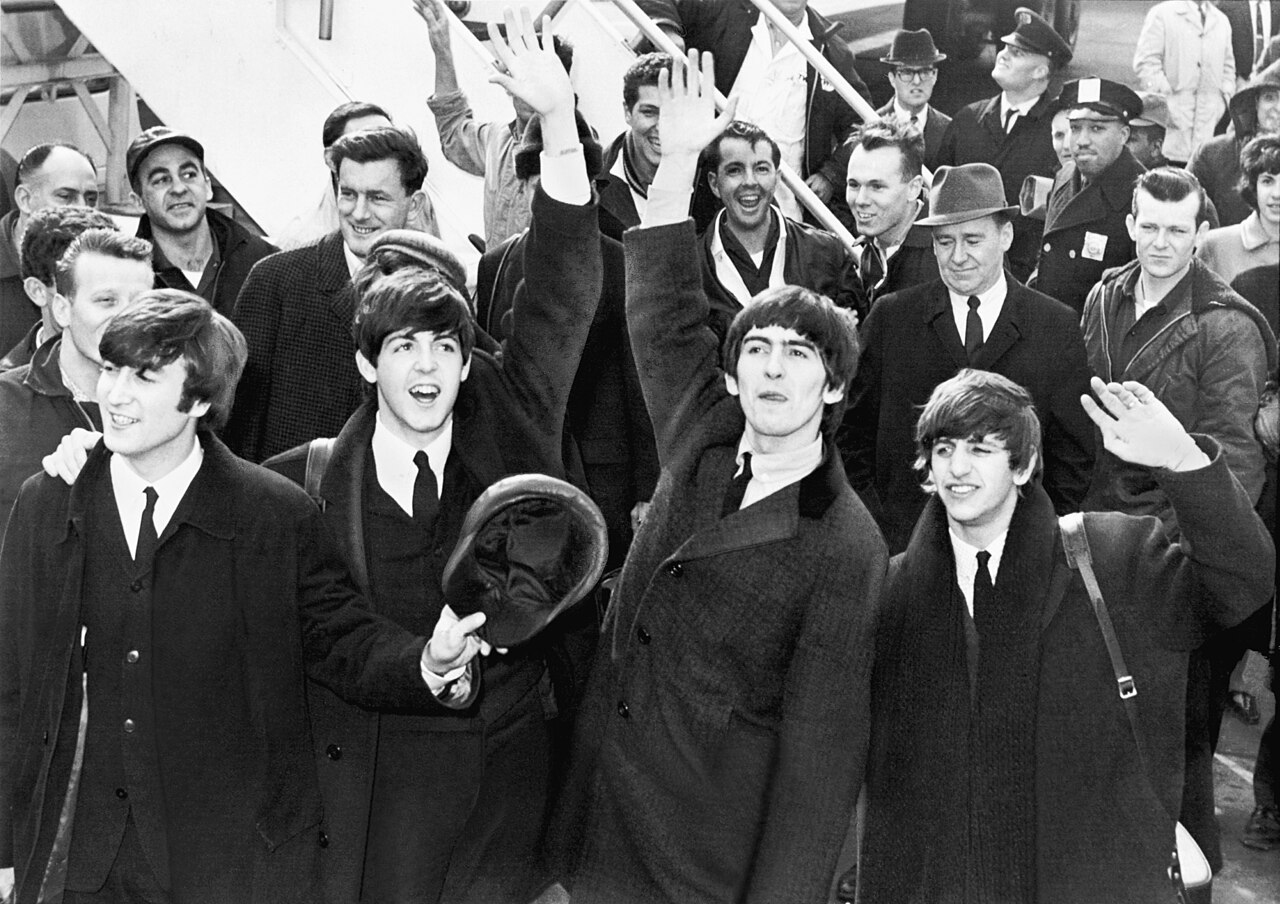
When the Beatles landed in New York on 7 February 1964, The New York Times counted “more than 3,000 teen-agers” at the airport. UPI reported about 1,500 on the observation deck and roughly 1,000 more inside.
Leo-Mania and Titanic, 1998
Titanic turned Leonardo DiCaprio into a global heartthrob. Entertainment Weekly reported that, by the film’s fifth week, Fox estimated 7% of American teenage girls had seen it twice, part of what the press dubbed “Leo-Mania.”
Harry Styles, Timothée Chalamet and the Swifties
Billboard reported in 2022 that Harry Styles fans lined up from 3 a.m. at the Kia Forum, with one saying, “Harry is the only artist that I would feel safe camping by myself for.” That sense of safe community is still visible during his Harryween 2026 residency finale. In October 2024, a Timothée Chalamet lookalike contest drew thousands to Washington Square Park before police dispersed the crowd, and Chalamet himself turned up, AP reported. And Swifties dancing at Taylor Swift’s July 2023 Seattle shows generated shaking equal to a magnitude 2.3 earthquake, according to CNN.
When Admiration Becomes Unhealthy
The Three Levels of Celebrity Worship
McCutcheon’s team describes celebrity admiration in three tiers, now called entertainment-social, intense-personal and borderline-pathological. A clinical review by Randy and Lori Sansone explains that most fans stay at the first level, enjoying gossip and chatting with friends. The Hungarian study found high-level admiration in 4.53% of adults aged 18 to 64, rising to 8.51% among those aged 18 to 34, and linked it to more problematic Internet use, depression, anxiety and stress.
Albers lists warning signs such as constantly monitoring a star and thinking about them nonstop. If a crush crowds out sleep, work or real relationships, it is worth talking to a professional.
Stalking Is a Crime
The darkest end of obsession has changed the law. After actress Rebecca Schaeffer was killed by an obsessed fan in 1989, California passed the first US anti-stalking law in 1990, the Los Angeles Times reported. Stalking is now a crime in all 50 states and under federal law, according to the US Office of Justice Programs. In England and Wales, stalking involving fear of violence carries up to 10 years in prison under section 4A of the Protection from Harassment Act 1997.
How to Keep Your Celebrity Crush Healthy
- Enjoy it socially. Research in Leisure Sciences links fandom identification to wellbeing through social activities, so watch parties and fan clubs are a plus.
- Remember the screen is curated. The intimacy is real for you, but it is one way.
- Respect boundaries. Never seek out a star’s home, family or private details.
- Watch your time. Set limits on scrolling if it starts to affect your mood.
- Keep real relationships first. A crush works best as a fun extra, not a replacement.
The bottom line on celebrity crush psychology: loving a star is human, as long as the bond stays a source of joy rather than pressure.
For more on the stars making headlines, head to Global Celebrity Meter, and for celebrity news with a European accent, visit EuroCelebs.
FAQ
Is it normal to have a crush on a celebrity?
Yes. Researchers describe romantic parasocial attachments as a common part of adolescent development, and one study cited 90% of college students as having been attracted to a celebrity.
What is a parasocial relationship?
It is a one-sided bond in which a fan feels they know a performer who does not know them. Horton and Wohl coined the idea in 1956.
Do men get celebrity crushes too?
Yes. The 2002 Celebrity Worship Scale showed no gender bias, and in a 2024 Hungarian study, more than half of adults with a favourite celebrity were men.
What is celebrity worship syndrome?
It is an informal term for the intense-personal and borderline-pathological levels of celebrity admiration, which research links to anxiety, depression and problematic Internet use.
When should I worry about a celebrity crush?
Seek help if it dominates your thoughts, disrupts sleep, work or relationships, or leads to unwanted contact with the star. Unwanted pursuit can be stalking, which is a crime.
Sources
- Horton and Wohl (1956), Psychiatry: Mass Communication and Para-Social Interaction
- Cambridge Dictionary: Parasocial is Word of the Year 2025
- BBC: Parasocial named Cambridge Dictionary word of the year
- Erickson and Dal Cin, Media Psychology: From the Beatles to One Direction
- Erickson, University of Michigan dissertation (Deep Blue)
- Cleveland Clinic Newsroom: Behind the scenes of celebrity fascination
- Cleveland Clinic: Parasocial relationships
- McCutcheon, Lange and Houran (2002), British Journal of Psychology
- Zsila et al. (2024), Journal of Behavioral Addictions
- Sansone and Sansone (2014), I’m Your Number One Fan
- Variety: Farrah Fawcett obituary
- The New York Times: The Beatles invade (8 Feb 1964)
- UPI Archives: Students mob Beatles in NYC (7 Feb 1964)
- Entertainment Weekly: Leonardo DiCaprio and Titanic (6 Mar 1998)
- Billboard: Harry Styles fans camp overnight (Nov 2022)
- AP: Timothée Chalamet lookalike contest (Oct 2024)
- CNN: Taylor Swift fans cause seismic activity in Seattle (Jul 2023)
- Los Angeles Times: Rebecca Schaeffer and the first anti-stalking law
- Office of Justice Programs: Stalking overview
- legislation.gov.uk: Protection from Harassment Act 1997, section 4A
- Leisure Sciences: Social activities mediate the relation between fandom identification and psychological wellbeing