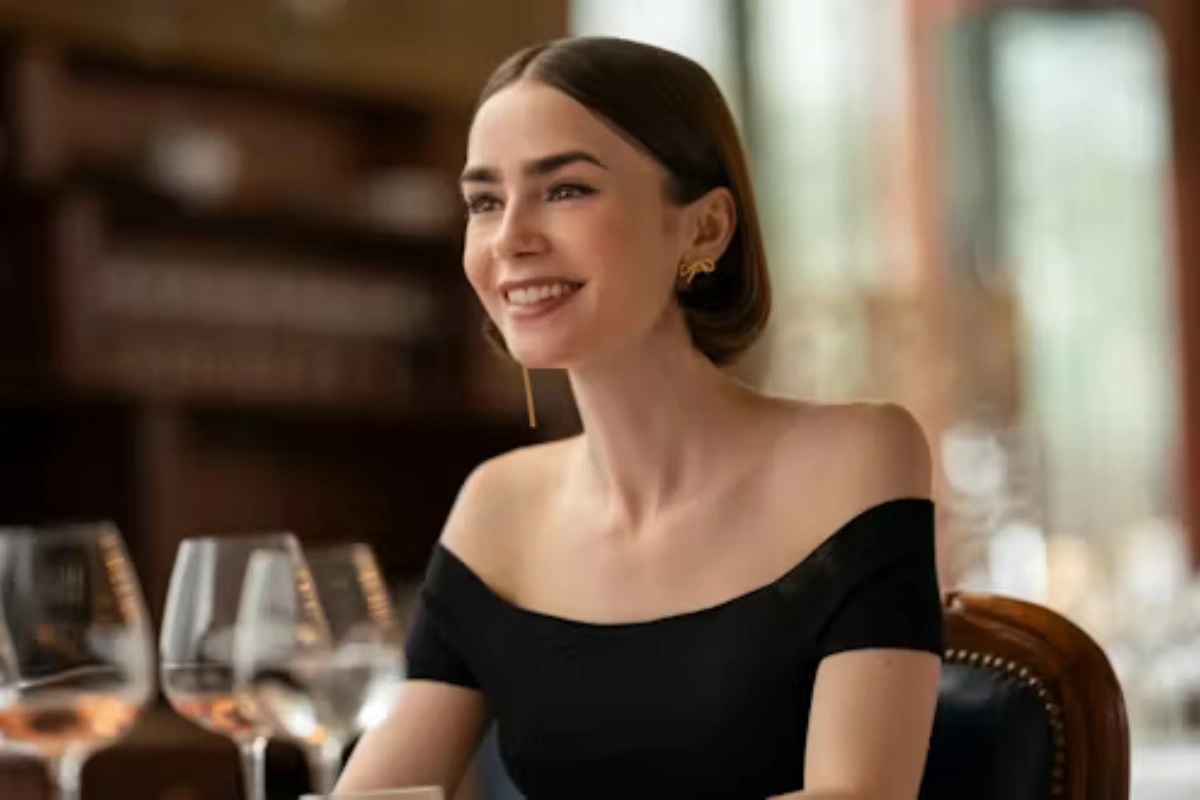
Netflix’s Emily in Paris has become one of the most talked-about series of the past few years, blending romance, fashion, comedy, and escapism into a glossy package that continues to captivate audiences worldwide. Created by Darren Star—the mind behind Sex and the City—the show premiered in 2020 and quickly turned into a cultural phenomenon, sparking debates, memes, and an undeniable obsession with Parisian style.
A Simple Story with Global Appeal
At its core, Emily in Paris follows Emily Cooper, a cheerful and ambitious marketing executive from Chicago who unexpectedly lands a job in Paris after her boss becomes pregnant. Played by Lily Collins, Emily moves to the French capital with minimal language skills, a can-do attitude, and a wardrobe that instantly sets her apart.
The series thrives on the clash between American optimism and French realism. Emily’s enthusiasm, social media savvy, and work ethic often collide with the more traditional, reserved culture of her Parisian colleagues. This cultural friction becomes the backbone of the show’s humor and charm, making it accessible to a global audience that recognizes the awkwardness of navigating unfamiliar environments.
Fashion as a Central Character
One of the biggest reasons Emily in Paris stands out is its bold approach to fashion. Costume designer Patricia Field—also known for her work on Sex and the City—turned Emily’s wardrobe into a statement. From vibrant coats and high heels to daring patterns and designer labels, the fashion is intentionally exaggerated and unapologetically glamorous.
While critics have often debated the realism of Emily’s outfits, fans celebrate them as part of the show’s fantasy. Fashion in Emily in Paris isn’t meant to mirror everyday Parisian style; instead, it functions as a visual expression of Emily’s personality—confident, experimental, and unafraid to stand out.
Romance, Drama, and Complicated Choices
Beyond the clothes and cityscapes, Emily in Paris delivers a steady dose of romance and drama. Emily finds herself entangled in complicated relationships, most notably with her charming neighbor Gabriel. Their on-again, off-again dynamic—fueled by timing, miscommunication, and moral dilemmas—adds emotional weight to the otherwise lighthearted narrative.
The series also explores friendship and ambition, particularly through Emily’s evolving relationships with colleagues like Sylvie, Mindy, and Luc. Over multiple seasons, these characters grow beyond stereotypes, revealing layers of vulnerability, ambition, and personal struggle.
Paris Through a Dreamlike Lens
Paris in Emily in Paris is less a realistic city and more a postcard-perfect dream. Cobblestone streets, romantic cafés, iconic landmarks, and golden-hour lighting create an escapist fantasy that resonated strongly with audiences, especially during the early pandemic years when travel was limited.
Critics have pointed out that the show presents a simplified and sometimes cliché version of French culture. However, supporters argue that this idealized portrayal is intentional—Emily in Paris is designed to be entertainment, not a documentary. Its Paris is a mood, an aspiration, and a form of visual comfort.
Cultural Impact and Criticism
Few shows have generated as much discussion as Emily in Paris. While it has received criticism for cultural stereotypes and unrealistic workplace scenarios, it has also earned multiple award nominations and impressive viewership numbers. The series has influenced fashion trends, boosted tourism interest, and solidified Lily Collins as a global style icon.
What truly sets the show apart is its self-awareness. In later seasons, Emily in Paris begins to acknowledge its own excesses, offering more character depth and slightly more nuanced cultural storytelling without losing its playful tone.
Why Emily in Paris Endures
Ultimately, Emily in Paris succeeds because it knows exactly what it is: a stylish, feel-good escape. It doesn’t aim to be gritty or deeply political. Instead, it offers romance, laughter, and visual indulgence—something many viewers crave in an increasingly complex world.
As the series continues to evolve, its ability to balance fantasy with character growth will determine its long-term legacy. For now, Emily in Paris remains a colorful celebration of ambition, love, and the courage to start over in a new city—preferably in fabulous shoes.